Standing Desk vs Desk Converter: Rise Up or Add On?
Sitting is the new smoking — or so the headlines say. Standing desks promise health benefits, but full electric desks cost $300-800+. Desk converters sit on your existing desk and cost $100-300. Both get you standing. Here's the real difference.
Full Standing Desk
Pros
- + Rock-solid stability at any height
- + Full height range (24-50")
- + Memory presets (sit/stand)
- + Cable management built-in
- + Higher weight capacity (200+ lbs)
- + Clean aesthetic
Cons
- − $300-800+
- − Requires assembly (30-60 min)
- − Heavy — hard to move
- − Replaces your whole desk
- − Needs power outlet
Shop Full Standing Desk on AliExpress
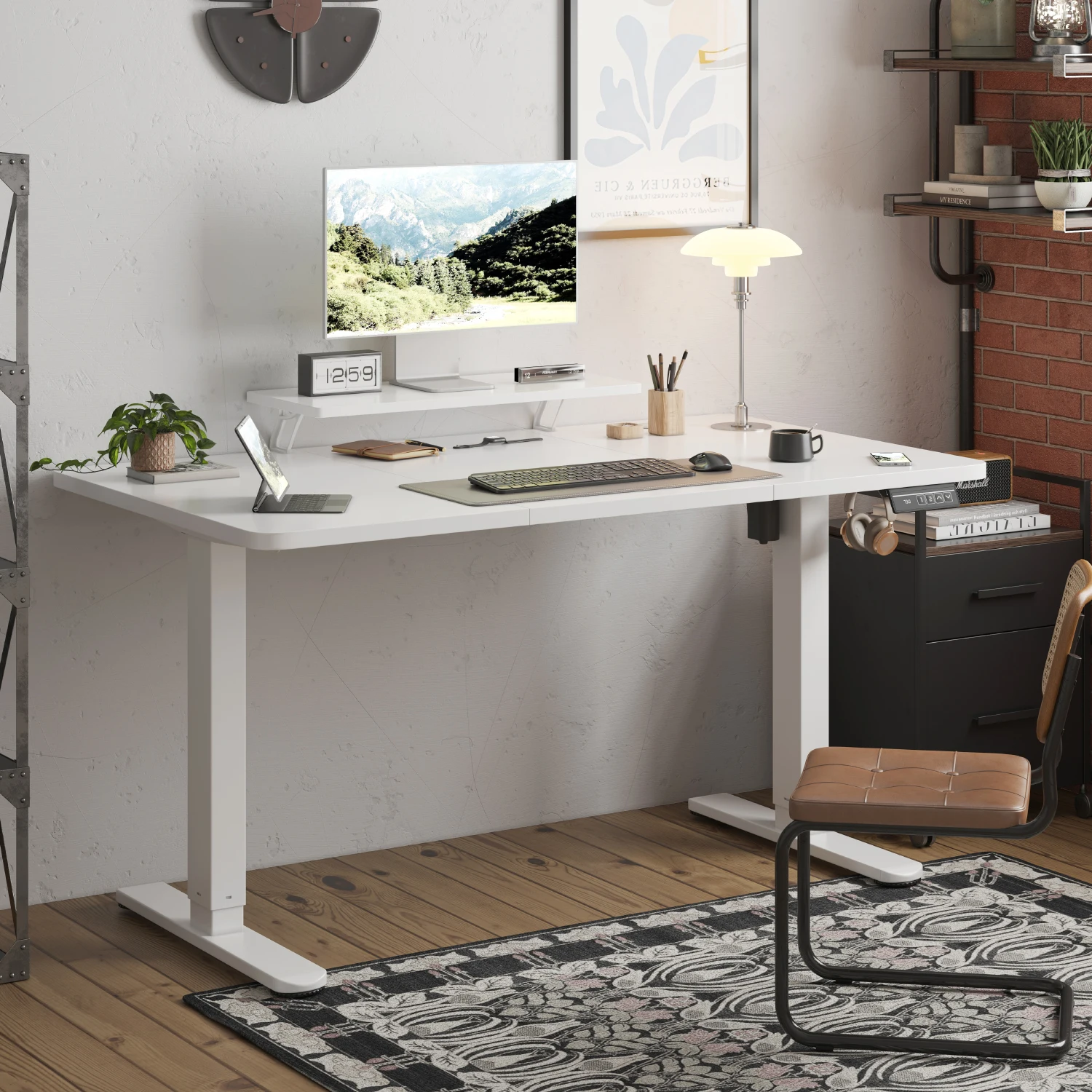
Devoko Height Adjustable desk Electric 160 × 70cm with Monitor Stand Ergonomic Seat Standing Desk (White)
€116.80

TOPK Mini Portable Clip on Fan,USB Desk Fan,3 Speeds Quiet Wind 720° Rotate Personal Electric Fan,Standing fans for Room Home
€10.89

Foldable with 8 LED Light 5x 11x Stand Desk for Jewelry Appraisal Reading Repair Magnifying Glass Portable Hand-held
€7.89

∶2In1 Mini Electric Fan Outdoor Portable Handheld Usb Rechargeable Cooling Desk Fan With Mobile Phone Stand Function Summer
€5.99
Desk Converter
Pros
- + $100-300
- + No assembly — place and go
- + Keeps your existing desk
- + Portable between locations
- + No power needed (manual)
- + Try standing without commitment
Cons
- − Wobbly at standing height
- − Limited height range
- − Reduces desk surface area
- − Manual crank/gas spring
- − Lower weight limit (35-50 lbs)
- − Keyboard tray often cramped
Shop Desk Converter on AliExpress
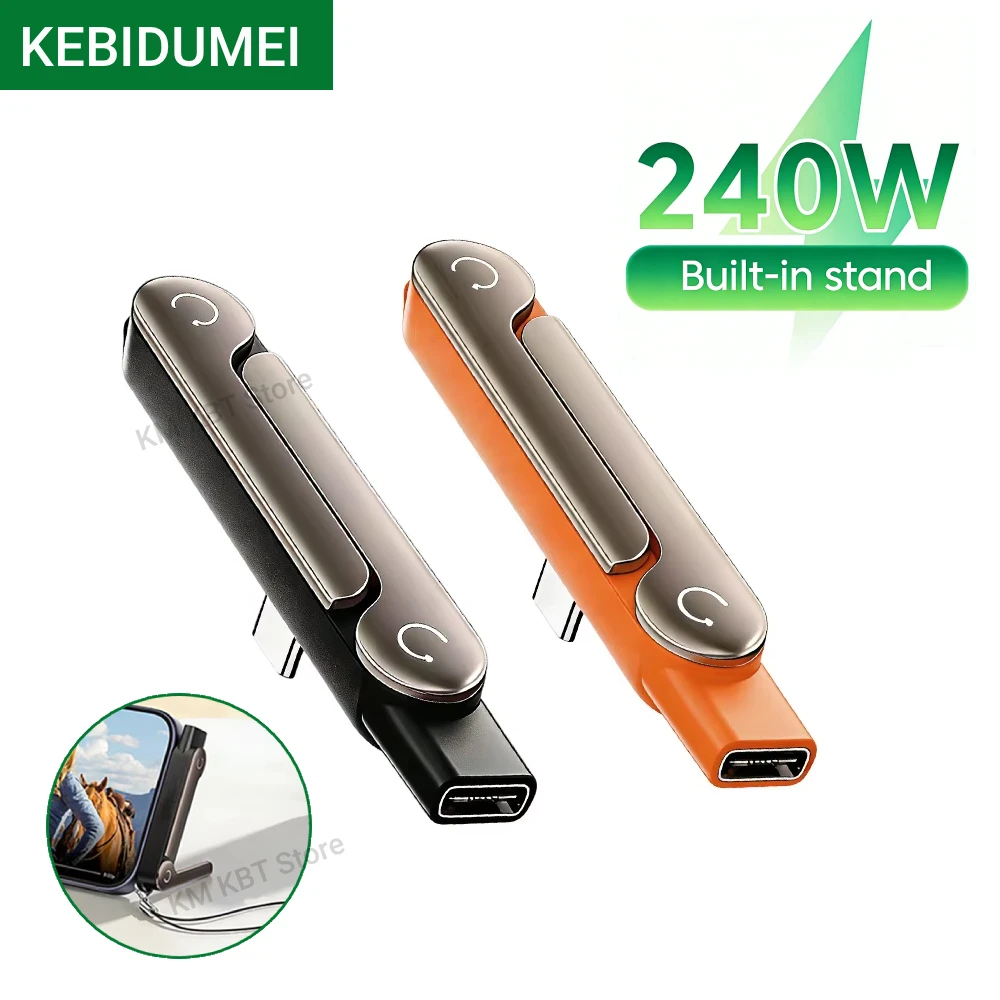
240W 2 in 1 Portable Foldable Phone Stand Fast Charging OTG Type-C Male to USB-C Female Converter For IPhone17 16 Samsung
€3.09
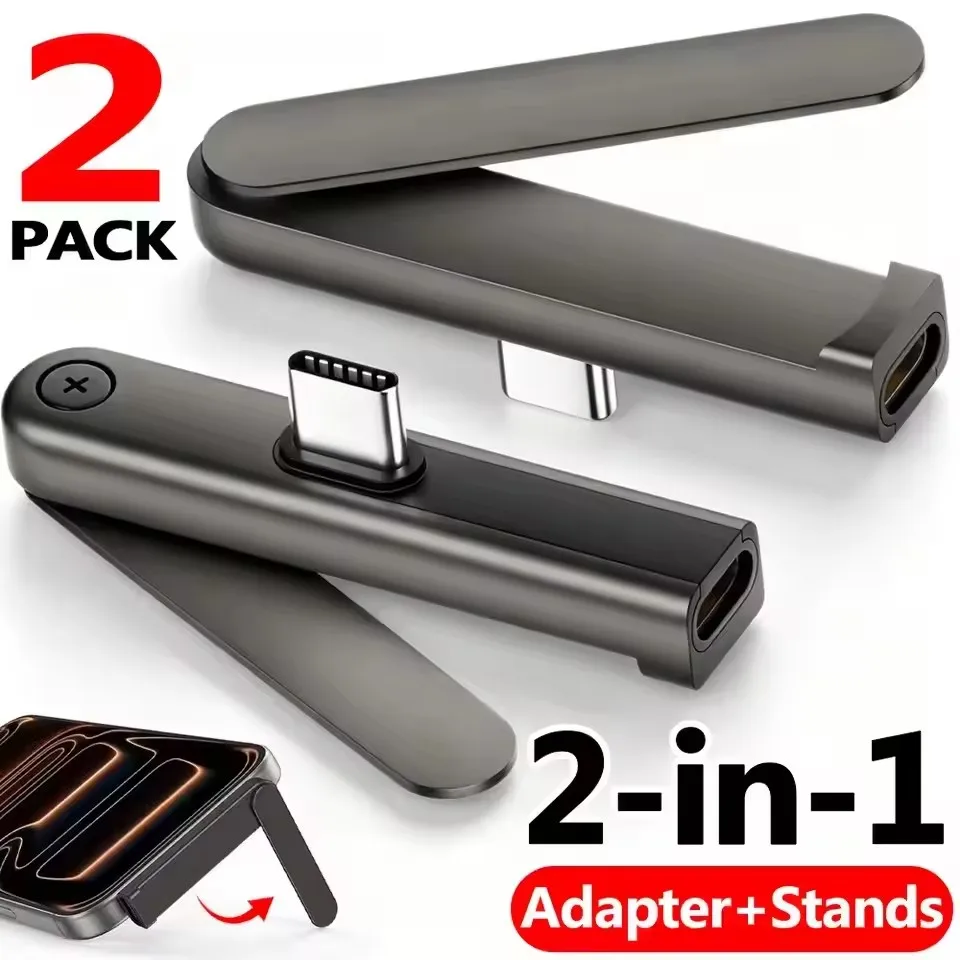
2/1PCS Portable USB C To 3.5mm Audio Bracket Foldable Adapter Folding Mobile Phone Stand Aluminum Alloy Mini Headphone Converter
€2.21
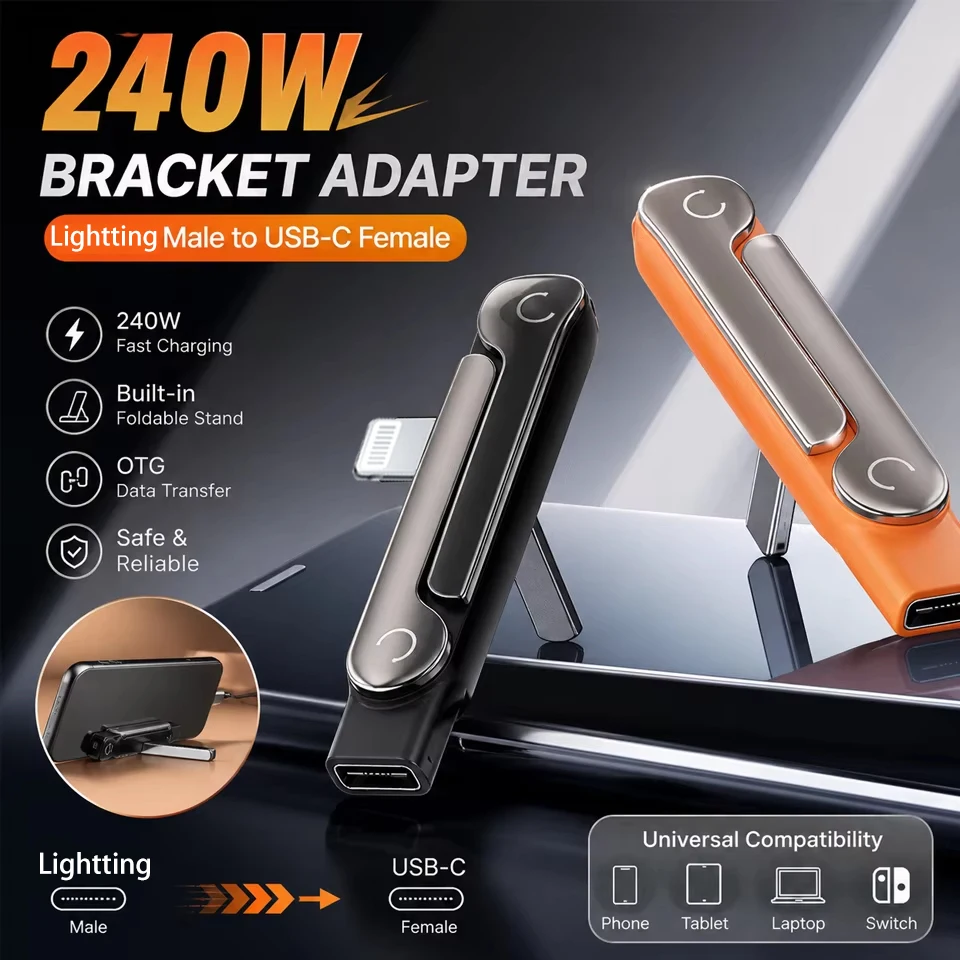
240W USB type-c Lightning Built-in Stand Adapter Multi-function Foldable Converter for phone
€1.61
The Verdict
Get a full standing desk if you're all-in on standing work, have budget, and want a stable, beautiful setup for years. Get a converter if you're testing the waters, rent/move often, or have a desk you love. Converters work — but full desks feel professional.
FAQ
How long should I stand at a standing desk?
Start with 15-30 min per hour. Build to 50/50 sit-stand over weeks. Anti-fatigue mat and supportive shoes help. The goal is movement, not standing still all day.
Can a desk converter hold dual monitors?
Most converters max out at 35-50 lbs. Two 24" monitors + arms = ~25-35 lbs — borderline. A full desk handles 200+ lbs easily. For dual monitors, a full desk is safer.